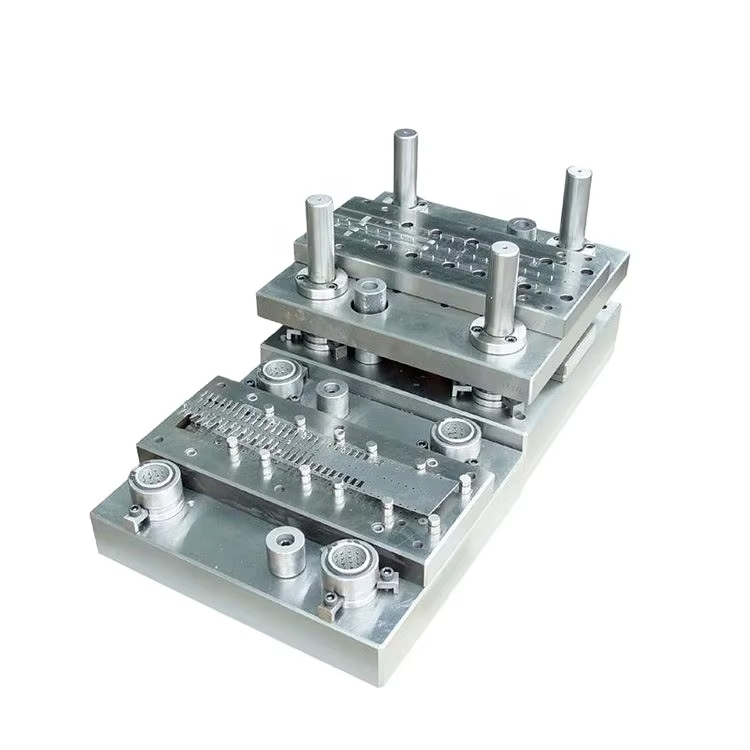
Custom Metal Molds – Precision Engineering by Haoda

All Categories
Custom Metal Molds: Precision Engineering for Your Needs

Custom Metal Molds: Precision Engineering for Your Needs

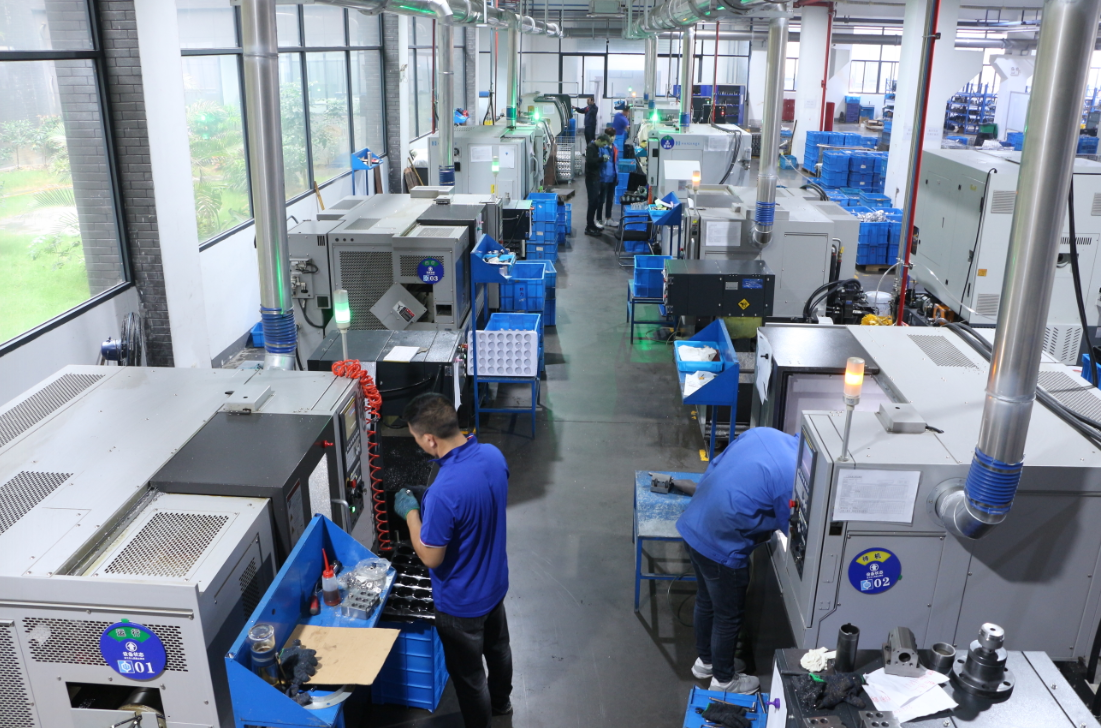
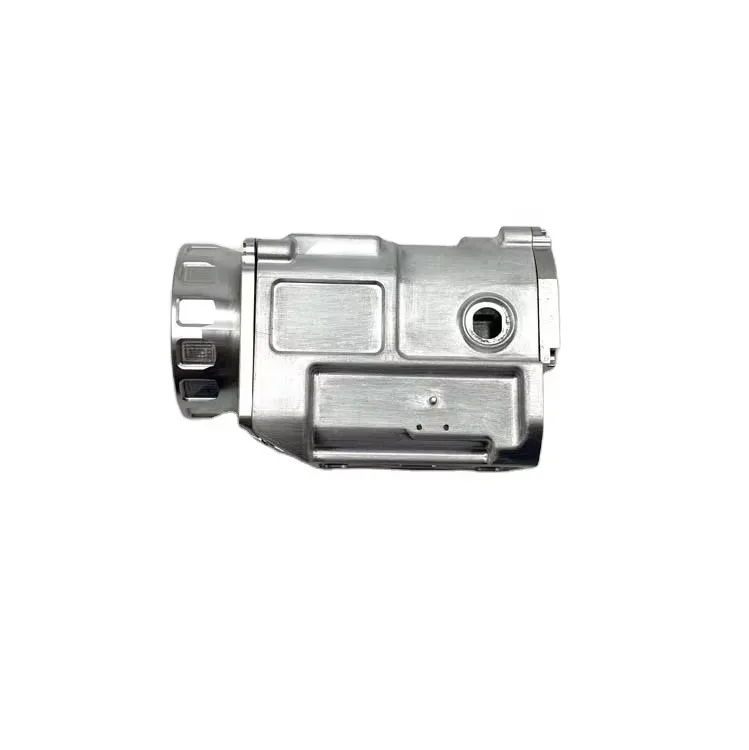
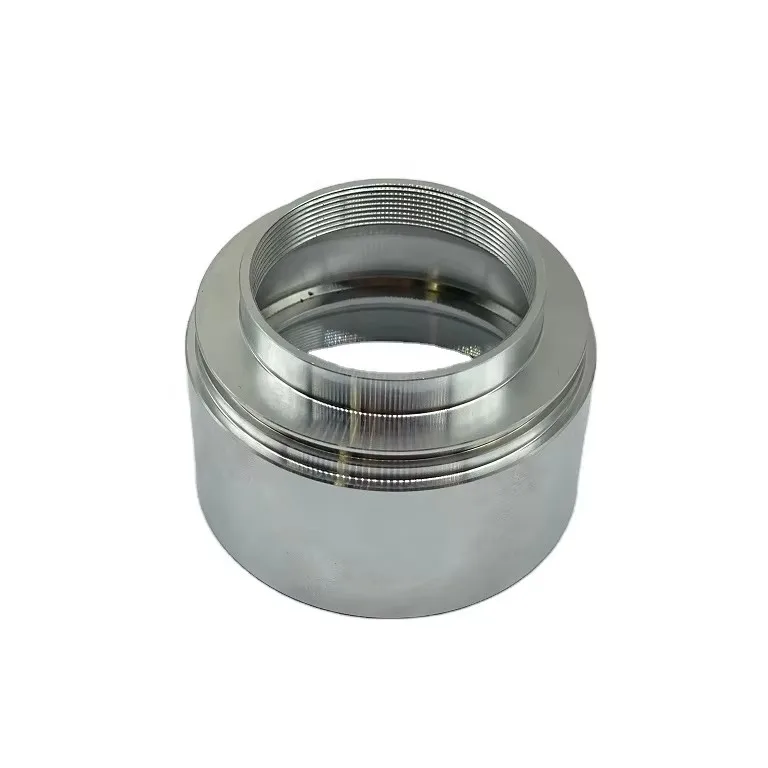
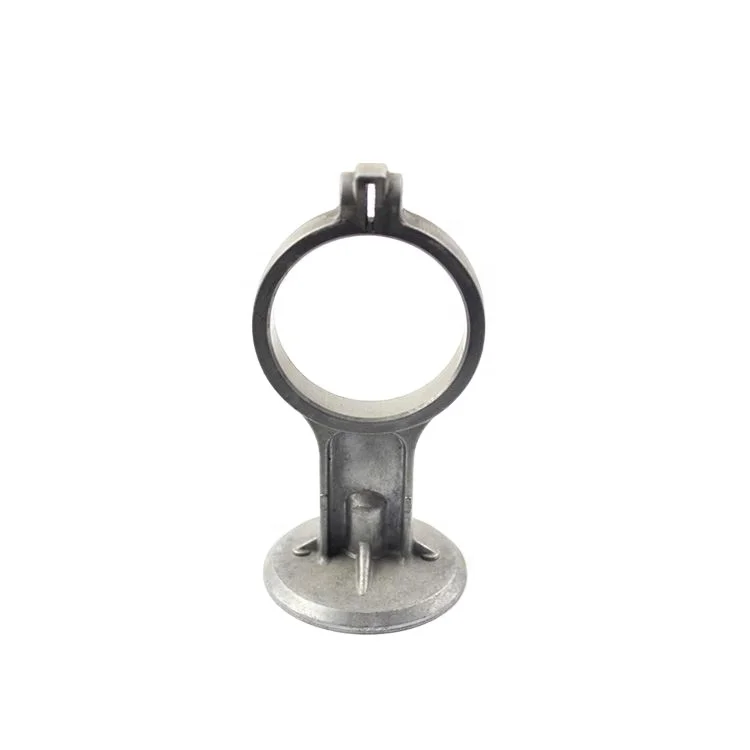
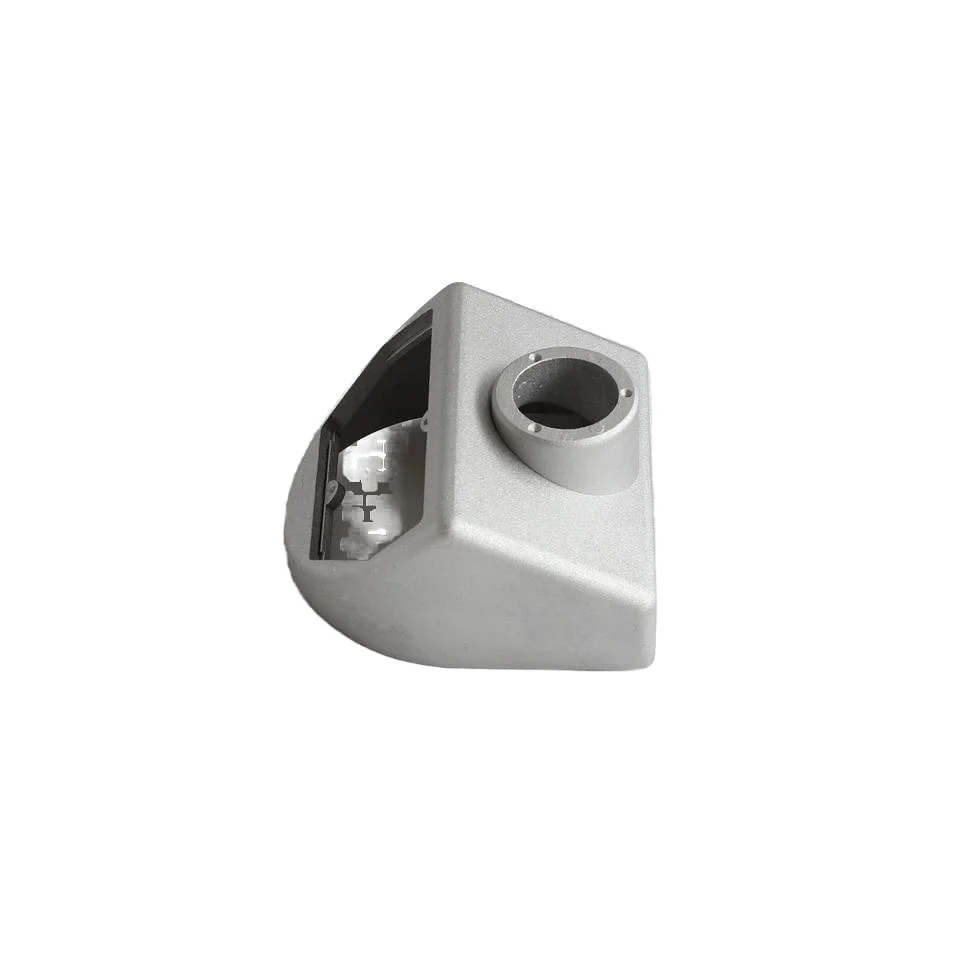
Welcome to Haoda (Ningbo) Import and Export Co., Ltd, your trusted partner in custom metal molds. We specialize in the design and manufacturing of high-quality aluminum, zinc, and magnesium alloy molds tailored to meet your specific requirements. Our state-of-the-art facility is equipped with advanced technology, including automatic melting and die-casting machines, CNC machines, and X-ray real-time imaging detection systems. With IATF16949 certification, we guarantee exceptional quality, precision, and durability in all our products. Our commitment to mutual benefits has earned us a reliable reputation among our global clientele, thanks to our professional services and competitive pricing. We invite you to explore our offerings and discover how we can contribute to your success.
Get A Quote

Advantages of the product

Custom Mold with Precise 3D Design & Simulation

Custom molds are developed using advanced 3D design software (NX, CAD, CorelDRAW, AI) by an experienced R&D team, enabling detailed modeling of mold cavities, runners, and gates. The software also supports simulation of the die-casting process—predicting alloy flow, cooling patterns, and potential defects (e.g., air traps) before physical mold production. This simulation reduces trial-and-error, ensuring the mold is optimized for aluminum, zinc, or magnesium alloy casting on the first attempt. The 3D design process allows customers to review and approve mold designs remotely, facilitating fast feedback and modifications. Each mold design is tailored to the specific part’s geometry (e.g., thin-walled consumer electronics parts, thick-structural automotive components) to ensure proper filling and solidification. With precise 3D design and simulation, the custom molds deliver consistent part quality and minimize production waste.

Custom Mold Compatible with Multiple Alloy Types

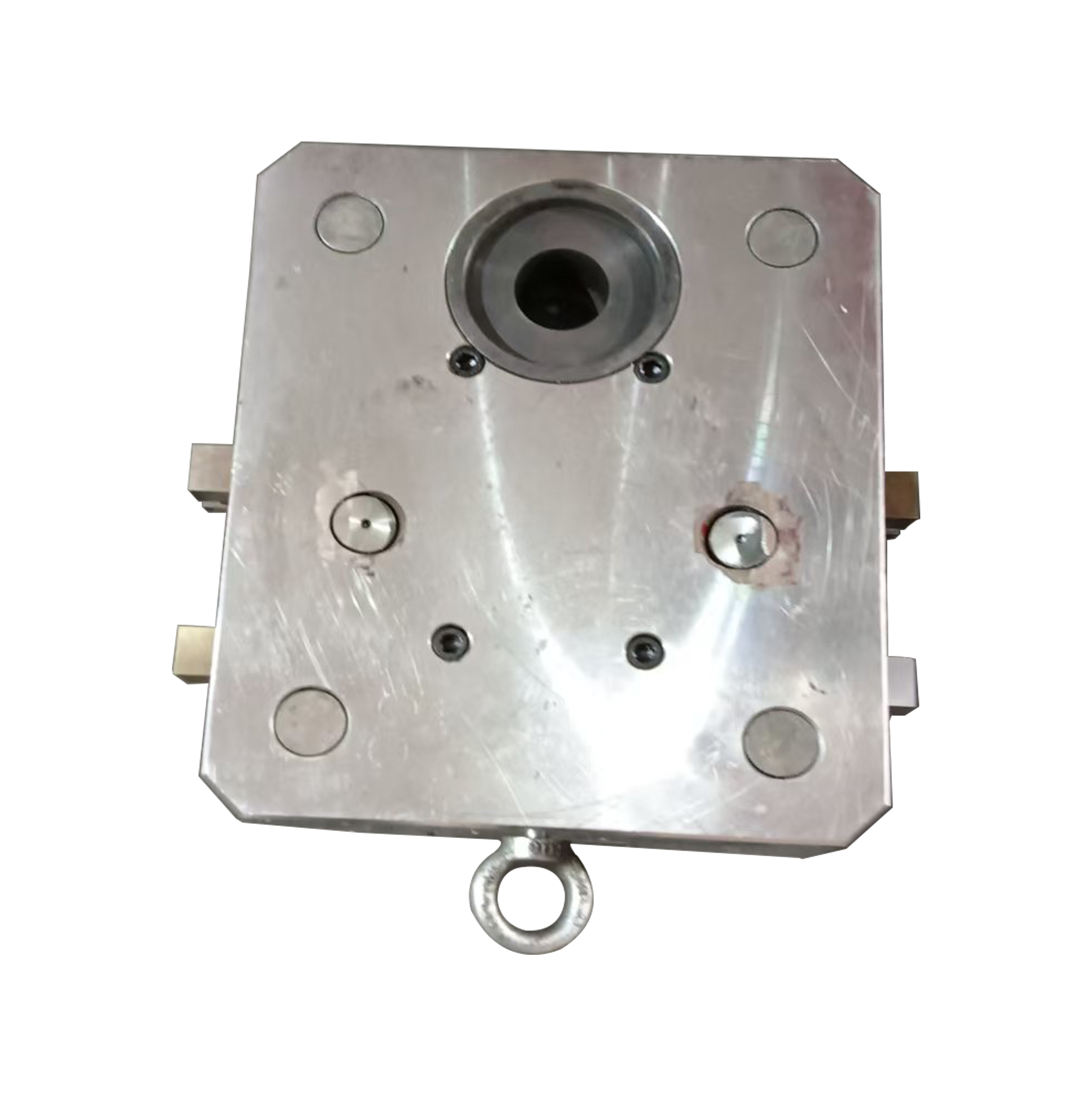
Designed to handle aluminum, zinc, and magnesium alloys, these custom molds are engineered with material-specific features to optimize casting performance. For aluminum alloys (high melting point), molds use heat-resistant steels and optimized cooling channels to prevent overheating and extend mold life. For zinc alloys (low melting point), molds have tighter tolerances to account for higher shrinkage rates. For magnesium alloys (lightweight but reactive), molds include specialized coatings to prevent alloy-mold reactions. The mold manufacturing process adjusts machining parameters (e.g., cutting tools, speeds) based on the alloy, ensuring mold surfaces are smooth and compatible with molten metal flow. Each mold is tested with the target alloy during trial casting to verify performance—adjusting for factors like flow rate and solidification time.

Custom Mold with Long Service Life & Wear Resistance

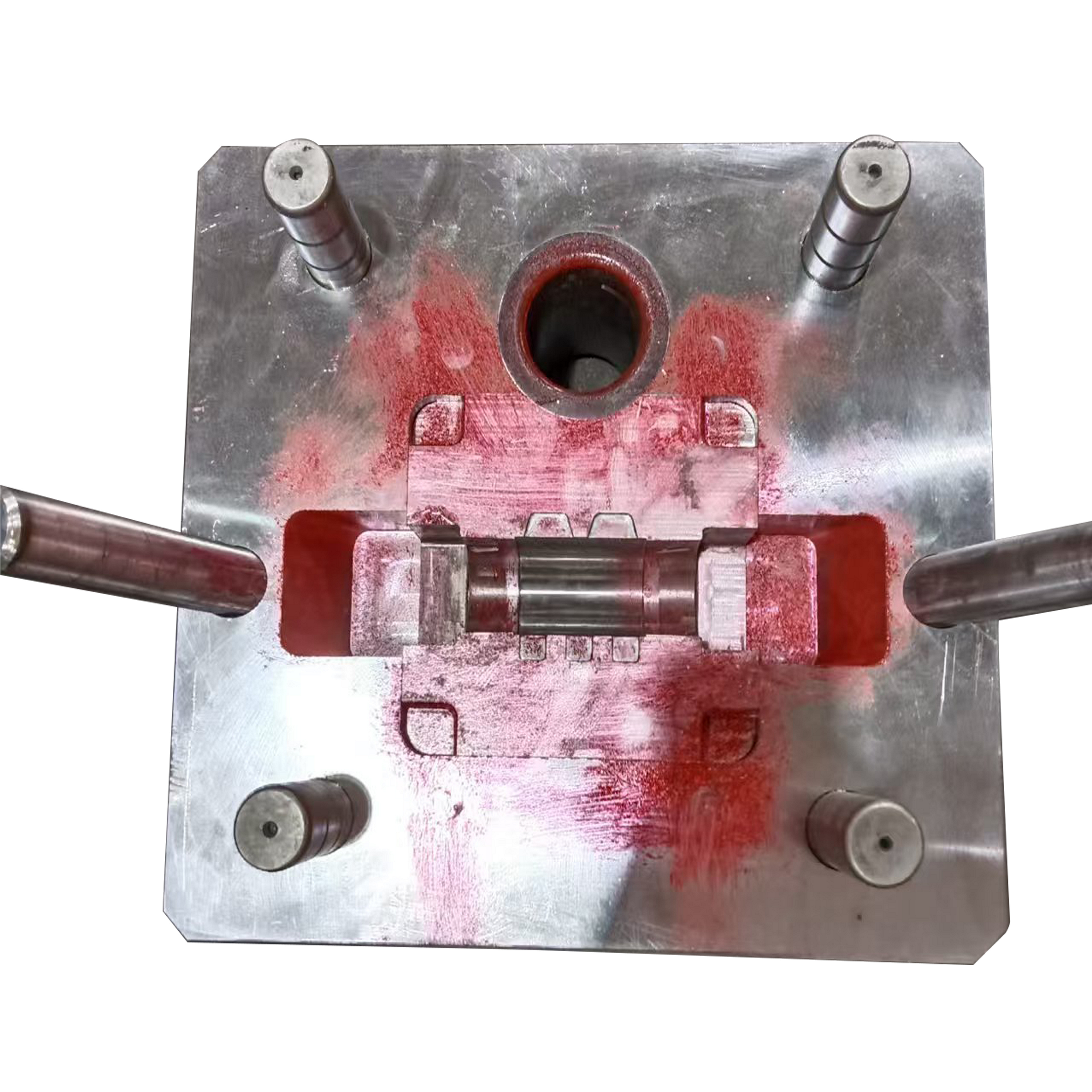
Crafted from high-grade, wear-resistant steel, custom molds are built to withstand repeated die-casting cycles (thousands of uses) without degradation. The mold manufacturing process includes heat treatment to enhance hardness and toughness, reducing wear from molten alloy flow and mechanical stress. Critical components (e.g., cavities, cores) are precision-machined with smooth surfaces to minimize friction and prevent alloy adhesion. The company also applies protective coatings to mold surfaces, further enhancing corrosion resistance (from molten alloys) and extending service life. Each mold undergoes regular maintenance checks during production, with repair services available to address minor wear. Adhering to IATF16949 standards, the molds are designed for durability, ensuring consistent part quality over long production runs.

Related products

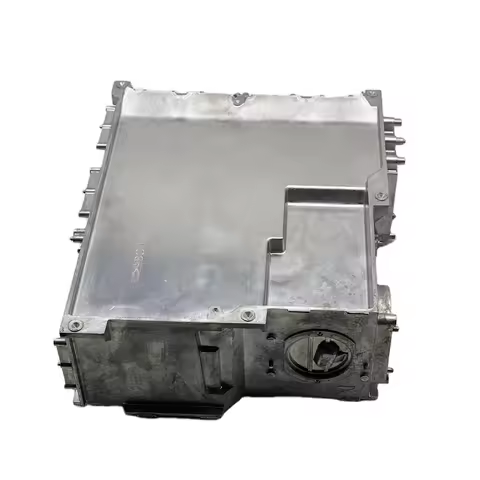
Custom metal molds are essential in various manufacturing processes, particularly in the production of components made from aluminum, zinc, and magnesium alloys. At Haoda, we specialize in creating molds that not only meet but exceed industry standards. Our molds are designed for precision and durability, ensuring that they can withstand the rigors of repeated use in high-volume production environments. Our automated melting and die-casting machines allow for uniformity and efficiency, reducing production time and costs. Furthermore, our CNC machines enable intricate designs that cater to specific customer requirements, ensuring that every mold is a perfect fit for its intended application. We also utilize advanced inspection technologies, such as CMM and X-ray real-time imaging, to ensure that each mold meets our stringent quality standards. Our commitment to customer satisfaction drives us to offer personalized services, ensuring that we address your unique needs effectively. Choose Haoda for your custom metal mold solutions and experience the difference in quality and service.
Common problem

What materials does Haoda use for manufacturing custom molds?

Haoda primarily uses high-quality, durable materials for custom molds to ensure longevity and molding precision. While specific mold material details may vary based on customer needs (e.g., part material, production volume, and complexity), common materials include high-grade mold steels (such as H13, P20, and S50C). These steels offer excellent heat resistance, wear resistance, and toughness—critical for withstanding the high pressure and temperature of die-casting processes (used for aluminum, zinc, and magnesium alloys). Before mold production, Haoda’s team selects the most suitable material based on the customer’s product specifications and production requirements, ensuring the custom mold can maintain dimensional stability and performance through long production runs.
While Haoda (Ningbo) Import and Export Co., Ltd does not specify a fixed lead time for custom mold development (as it depends on mold complexity, size, and design requirements), it strives for efficient turnaround. The company’s streamlined mold development workflow—from initial customer communication and design (supported by R&D engineers and design software) to mold manufacturing (using professional mold-making equipment) and testing—helps shorten lead times. For standard or less complex molds, the lead time is relatively shorter; for highly complex molds (e.g., for intricate automotive or aerospace parts), it may be longer. Haoda’s team communicates closely with customers throughout the process, providing timely updates and adjusting schedules if needed to meet customer project timelines as much as possible.

Related article

Specializing in custom production of aluminum, zinc, and magnesium alloy products, this company is leading the new trends in industry development

07

Apr

Specializing in custom production of aluminum, zinc, and magnesium alloy products, this company is leading the new trends in industry development

View More
The Impact of Advanced Die-Casting Techniques on Product Quality

29

Aug

The Impact of Advanced Die-Casting Techniques on Product Quality

Explore how advanced die-casting techniques improve product quality and meet the demands of international customers.
View More
Custom Mold Manufacturing: Meeting Unique Industry Demands

29

Aug

Custom Mold Manufacturing: Meeting Unique Industry Demands

Discover how custom mold manufacturing delivers precision, efficiency, and innovation across automotive, medical, and electronics industries. Reduce waste, improve quality, and adapt quickly to market demands. Learn more today.
View More

Customer Reviews

Emery

The custom mold they built for our new product is outstanding. It runs smoothly with minimal downtime and the part consistency is remarkable.

Chloe

Even after high-volume production, the custom mold shows minimal wear. This durability translates to lower long-term costs for us.

Get a Free Quote

Our representative will contact you soon.
Email
Mobile/WhatsApp
Name
Company Name
Message
0/1000
Custom Mold with Tight Tolerance for High-Precision Parts

Custom Mold with Tight Tolerance for High-Precision Parts

These custom molds are manufactured to ultra-tight tolerances, ensuring the cast parts meet strict dimensional requirements. Using CNC machining centers with 4+ axis capabilities, the mold cavities and cores are machined to micron-level accuracy—with deviations less than 1 μm. The company uses CMM to inspect every mold feature (e.g., cavity depth, gate size, wall thickness) to confirm alignment with design specifications. During mold assembly, precision fitting ensures no gaps between components, preventing flash (excess material) on cast parts. The molds also include features like ejector pins with precise positioning to avoid part deformation during removal. This focus on tolerance is critical for parts requiring high precision, such as optical accessories (lens mounts), medical device components, and automotive sensors. With custom molds built to tight tolerances, customers receive cast parts that require minimal post-machining, reducing production time and costs.
Custom Mold with Full Customer Collaboration

Custom Mold with Full Customer Collaboration

The custom mold development process emphasizes close collaboration with customers, ensuring the final mold aligns with their unique needs. From the initial design phase, the company’s R&D team consults with customers to understand part functionality, production volume, and alloy type—providing expert recommendations (e.g., mold material selection, gate placement) to optimize performance. Customers receive regular updates, including 3D design drafts, simulation results, and trial casting samples, to provide feedback at every stage. For customers with limited design experience, the team offers design-for-manufacturability (DFM) services, suggesting modifications to simplify mold production and reduce costs. After mold completion, the company provides training on mold operation and maintenance (if requested) to ensure customers maximize mold performance.