Aluminum Die Casting Process – Precision and Custom Solutions

All Categories
Aluminum Die Casting Process: Precision and Quality

Aluminum Die Casting Process: Precision and Quality

Welcome to our comprehensive guide on the aluminum die casting process, where we delve into the intricacies of creating high-quality aluminum products. At Haoda (Ningbo) Import and Export Co., Ltd, we specialize in customizing aluminum, zinc, and magnesium alloy products. Our state-of-the-art equipment, including automatic melting and die-casting machines, CNC machines, and X-ray real-time imaging detection systems, empowers us to produce parts with exceptional precision and durability. With IATF16949 certifications, we guarantee top-notch quality. This page will explore the advantages, products, and frequently asked questions about our aluminum die casting services, ensuring you have all the information necessary to make informed decisions.
Get A Quote

Advantages of the product

Lightweight Aluminum Die Casting for Energy-Saving Applications

This aluminum die casting service focuses on the production of lightweight aluminum alloy parts, which have the advantages of low density and high specific strength. Aluminum alloy materials can reduce the weight of products while ensuring the structural strength, which is of great significance for energy conservation and emission reduction in the automotive and aerospace industries. For example, lightweight aluminum die casting parts used in automobiles can reduce the overall weight of the vehicle, thereby reducing fuel consumption and carbon emissions. In the production process, advanced die-casting processes are used to ensure the uniformity of the material structure of the aluminum parts, avoiding the problem of uneven density that affects the weight and strength. The lightweight aluminum die casting parts meet the development trend of energy-saving and environmental protection in various industries.

High-Strength Aluminum Die Casting with Optimized Alloys

This aluminum die casting service uses optimized aluminum alloy formulas to improve the strength of the castings. By adjusting the content of alloying elements such as silicon, magnesium and copper in the aluminum alloy, the mechanical properties of the castings, such as tensile strength and yield strength, are significantly enhanced. For example, the ADC12 aluminum alloy commonly used in die casting is optimized to have better wear resistance and impact resistance, making it suitable for manufacturing high-strength structural parts. In the die casting process, reasonable control of the melting temperature, injection speed and pressure ensures that the alloy elements are evenly distributed in the castings, further improving the overall strength of the parts. The high-strength aluminum die casting parts can withstand large loads and harsh working environments, meeting the performance requirements of key components.

Corrosion-Resistant Aluminum Die Casting for Long-Term Use

This aluminum die casting service adopts special treatment processes to improve the corrosion resistance of aluminum die casting parts. One of the main methods is anodizing, which forms a dense oxide film on the surface of the aluminum parts. This oxide film has strong resistance to acid, alkali and salt corrosion, effectively isolating the aluminum substrate from the external corrosive environment. In addition, for parts used in more harsh corrosive environments, a layer of anti-corrosion coating can be applied on the basis of anodizing to further enhance the corrosion resistance. Before the anti-corrosion treatment, the surface of the parts is thoroughly cleaned to remove oil stains, oxides and other impurities, ensuring the adhesion of the oxide film and coating. The corrosion-resistant aluminum die casting parts have a long service life, reducing the maintenance and replacement costs for customers.

Related products

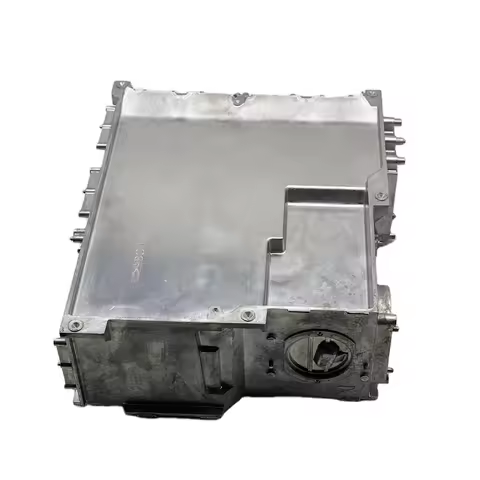
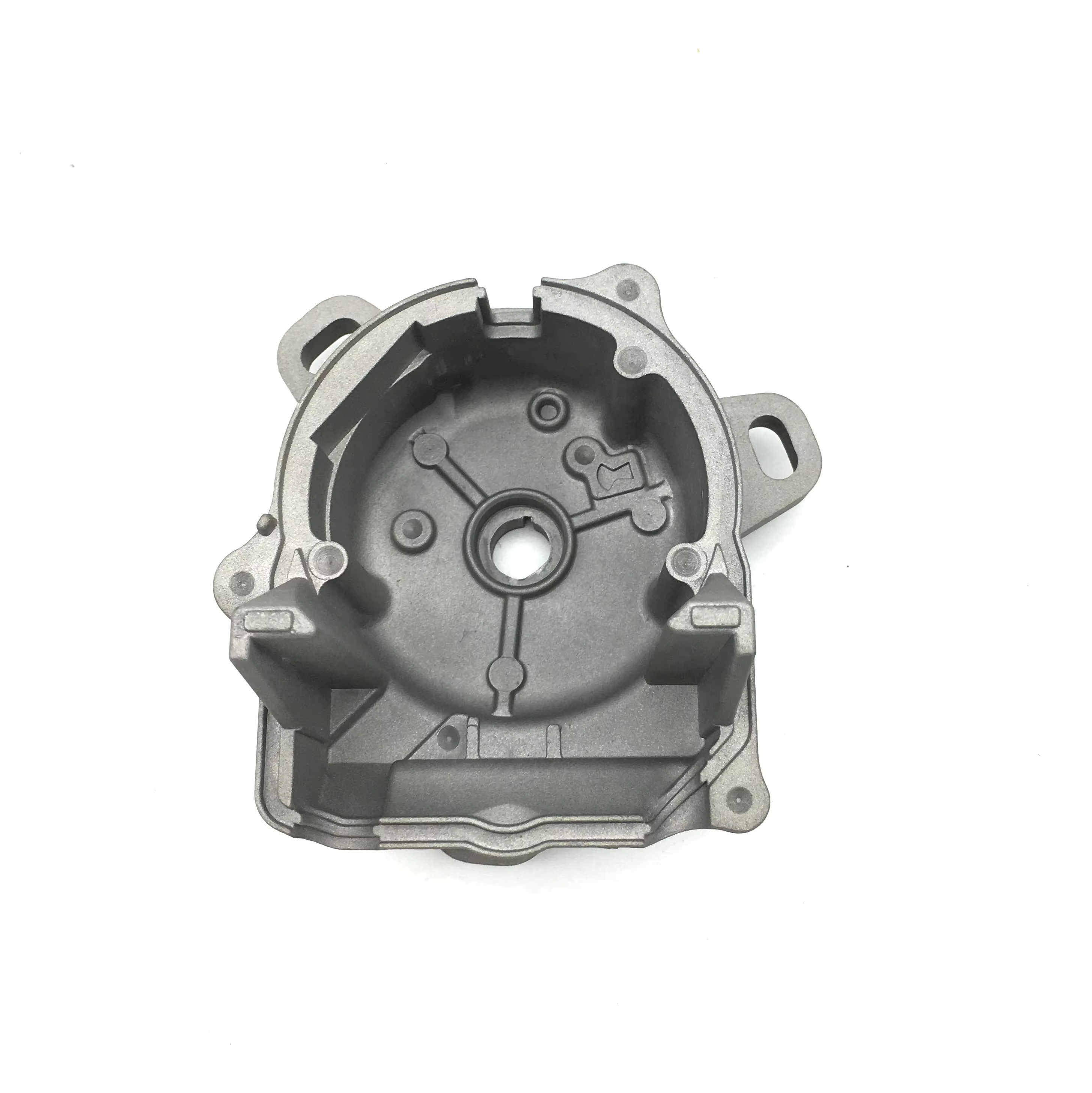
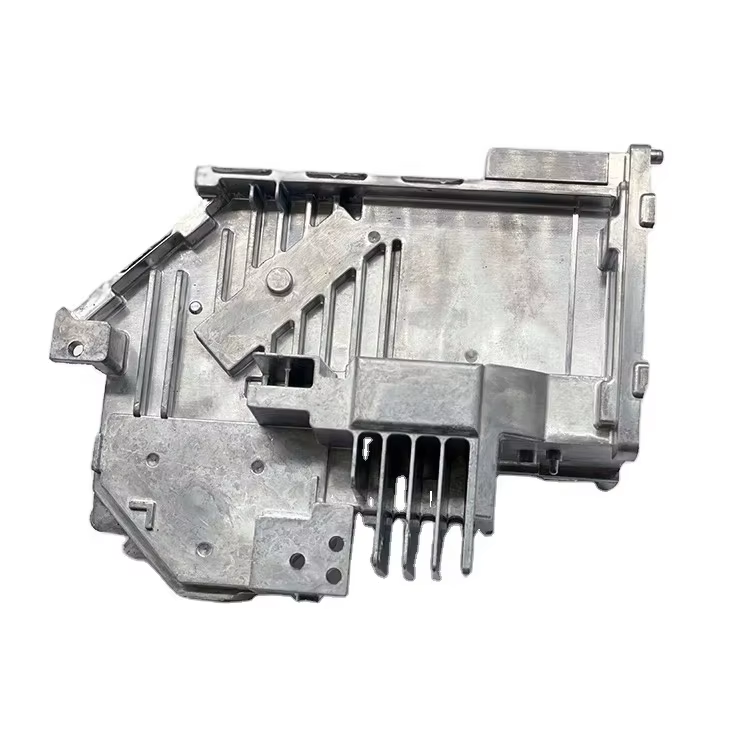
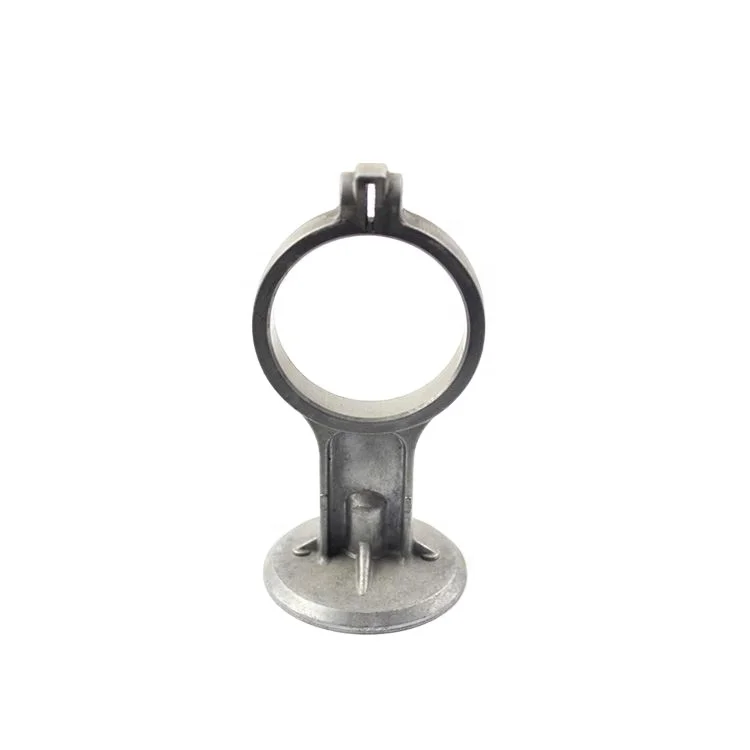
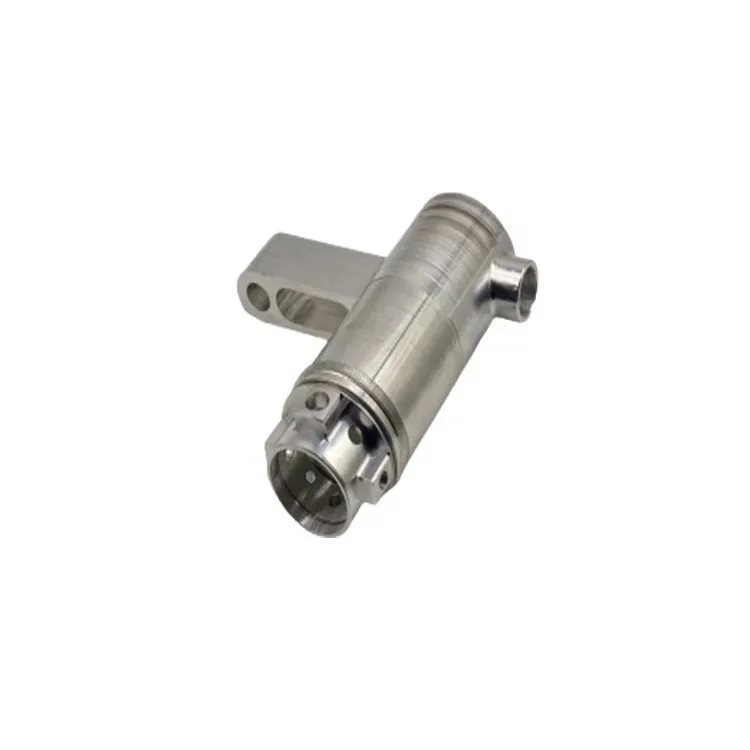
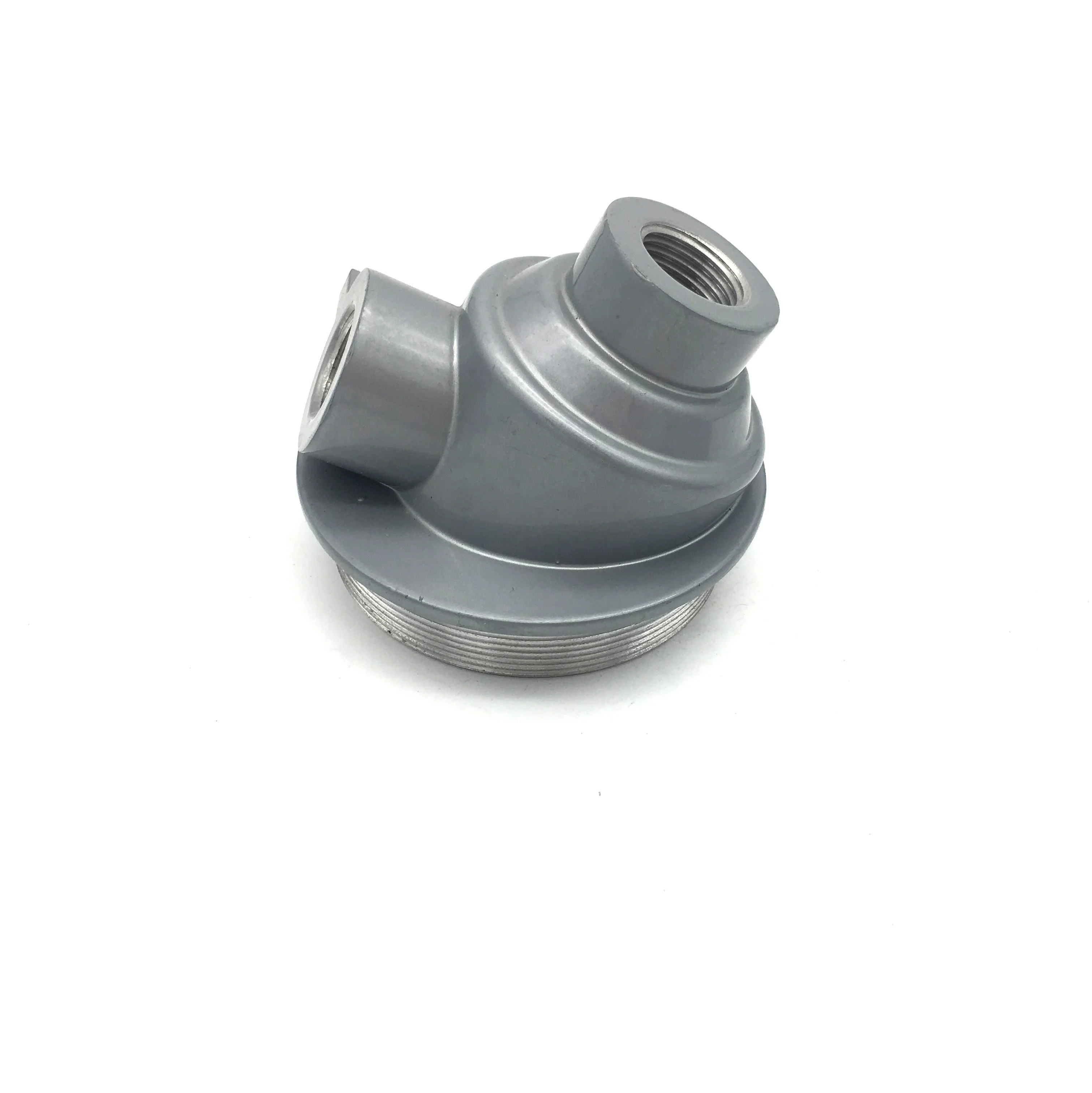
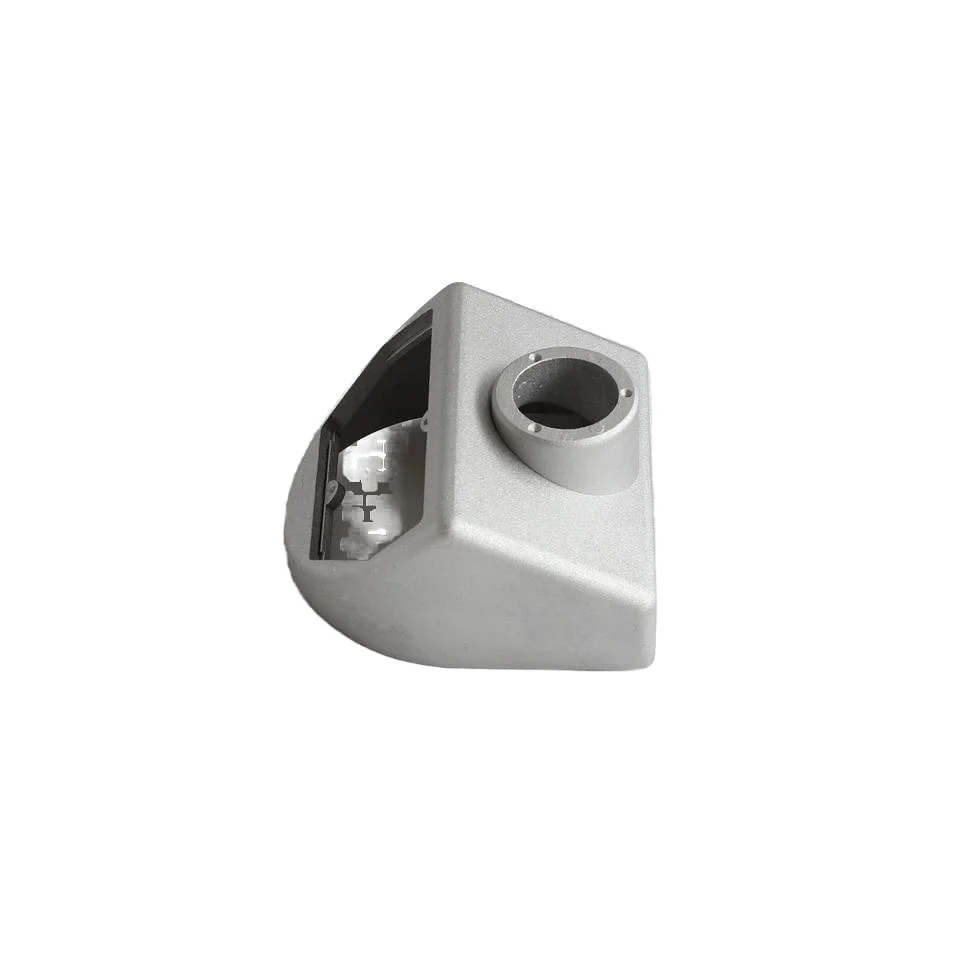
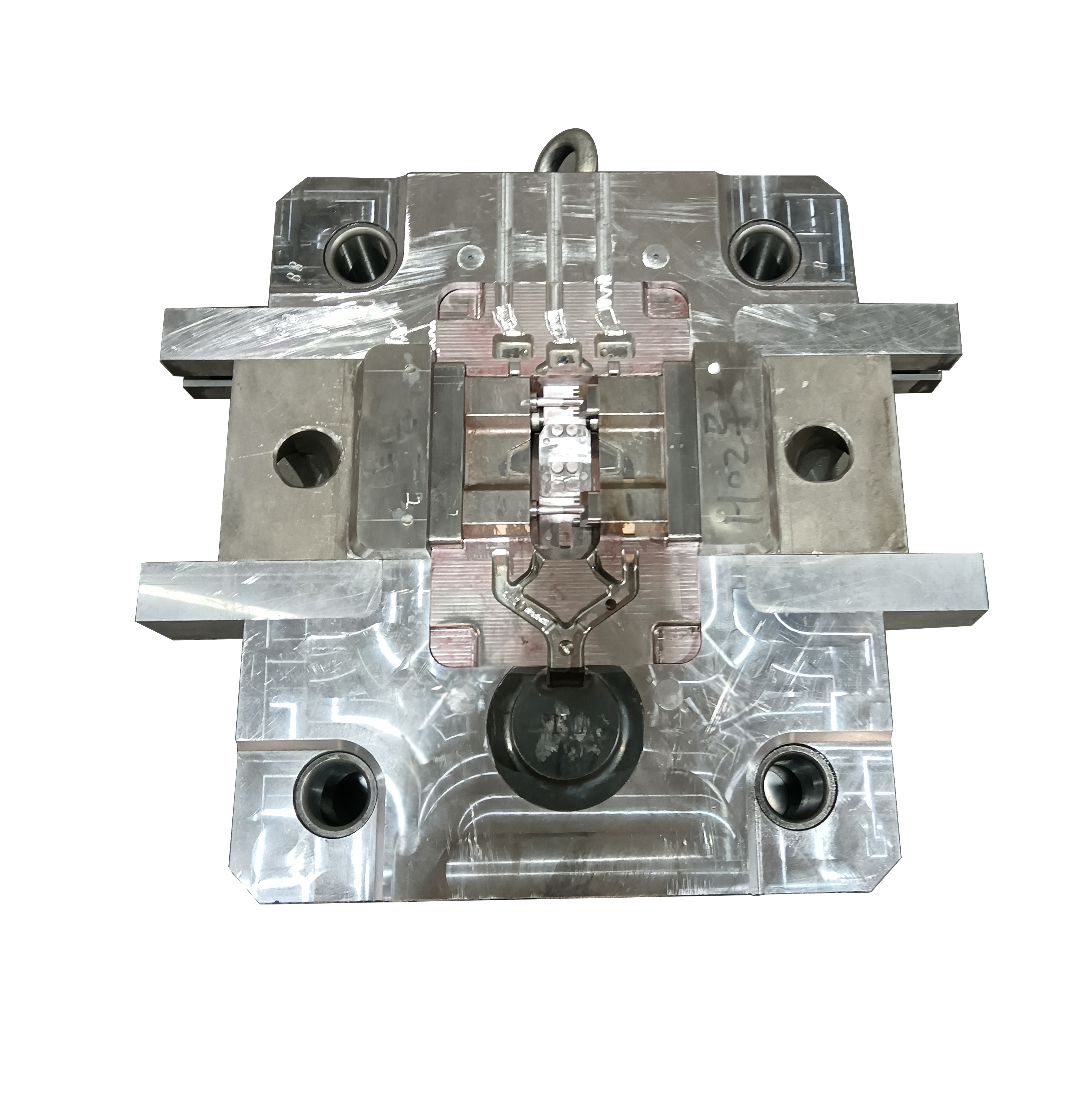
The aluminum die casting process is a manufacturing method that involves forcing molten aluminum into a mold cavity under high pressure. This technique is favored for its ability to produce complex shapes with excellent surface finish and dimensional accuracy. The process begins with melting aluminum alloy, which is then injected into a steel die. The die is designed to withstand the high pressures involved, ensuring that the molten metal fills every detail of the mold. Once cooled, the die is opened, and the finished part is ejected. This method is not only efficient but also allows for high production rates, making it ideal for mass production of aluminum components. The versatility of aluminum die casting enables its application across various industries, including automotive, aerospace, and consumer goods. The lightweight nature of aluminum, combined with its strength, makes it an ideal choice for manufacturers looking to enhance product performance while reducing weight. Additionally, the ability to recycle aluminum contributes to sustainability efforts, making aluminum die casting an environmentally friendly option. Our commitment to using advanced technology ensures that we remain at the forefront of the aluminum die casting industry, providing our clients with innovative solutions that meet their evolving needs.

Common problem

What are the advantages of Haoda’s aluminum die casting process?

Haoda’s aluminum die casting process offers four key advantages for customers: 1) High Efficiency: It uses automatic melting and die casting machines (180T-800T) that can produce 500-1000 aluminum die casting parts per hour, ideal for large-volume orders. 2) Superior Precision: Parts achieve dimensional tolerance ±0.02mm and surface roughness Ra 1.6-3.2μm, thanks to CMM testing and X-ray defect detection. 3) Cost-Effectiveness: Aluminum’s low density (reducing material costs) and the die casting process’s minimal material waste (scrap rate <5%) lower overall production costs compared to machining from solid aluminum blocks. 4) Material Benefits: Aluminum die casting parts have excellent thermal conductivity (120-150 W/(m·K)) and corrosion resistance (enhanced via post-processing like anodizing), suitable for heat dissipation or outdoor applications (e.g., automotive radiators, outdoor smart devices). These advantages make Haoda’s aluminum die casting a top choice for cost-sensitive, hi
Yes, Haoda’s aluminum die casting process complies with strict environmental standards to minimize ecological impact. Key compliance measures include: 1) Waste Reduction: The process has a low scrap rate (<5%), and scrap aluminum is recycled (sent to certified recycling facilities) to reduce material waste. 2) Emission Control: Melting furnaces are equipped with high-efficiency dust collectors and exhaust gas treatment systems (removing 95% of particulate matter and harmful gases like NOx) to meet China’s GB 13271-2014 (Boiler Air Pollutant Emission Standard) and EU’s Industrial Emissions Directive (IED). 3) Wastewater Treatment: Wastewater from surface treatment (e.g., anodizing) is treated via a 3-stage filtration system (coagulation, sedimentation, reverse osmosis) to remove heavy metals (aluminum, chromium) before discharge, meeting GB 21900-2008 (Emission Standard of Pollutants for Electroplating). 4) Energy Efficiency: Automatic die casting machines use variable-frequency drives

Related article

Specializing in custom production of aluminum, zinc, and magnesium alloy products, this company is leading the new trends in industry development

07

Apr

Specializing in custom production of aluminum, zinc, and magnesium alloy products, this company is leading the new trends in industry development

View More
The Impact of Advanced Die-Casting Techniques on Product Quality

29

Aug

The Impact of Advanced Die-Casting Techniques on Product Quality

Explore how advanced die-casting techniques improve product quality and meet the demands of international customers.
View More
Custom Mold Manufacturing: Meeting Unique Industry Demands

29

Aug

Custom Mold Manufacturing: Meeting Unique Industry Demands

Discover how custom mold manufacturing delivers precision, efficiency, and innovation across automotive, medical, and electronics industries. Reduce waste, improve quality, and adapt quickly to market demands. Learn more today.
View More

Customer Reviews

Julian

Haoda is our preferred supplier for aluminum die casting. The parts have high integrity, with no porosity issues we've experienced with others.

Olivia

Excellent thermal properties on the aluminum die cast parts. They dissipate heat effectively in our LED lighting products, extending lifespan.

Get a Free Quote

Our representative will contact you soon.
Email
Mobile/WhatsApp
Name
Company Name
Message
0/1000
Robust Quality Control Systems

Robust Quality Control Systems

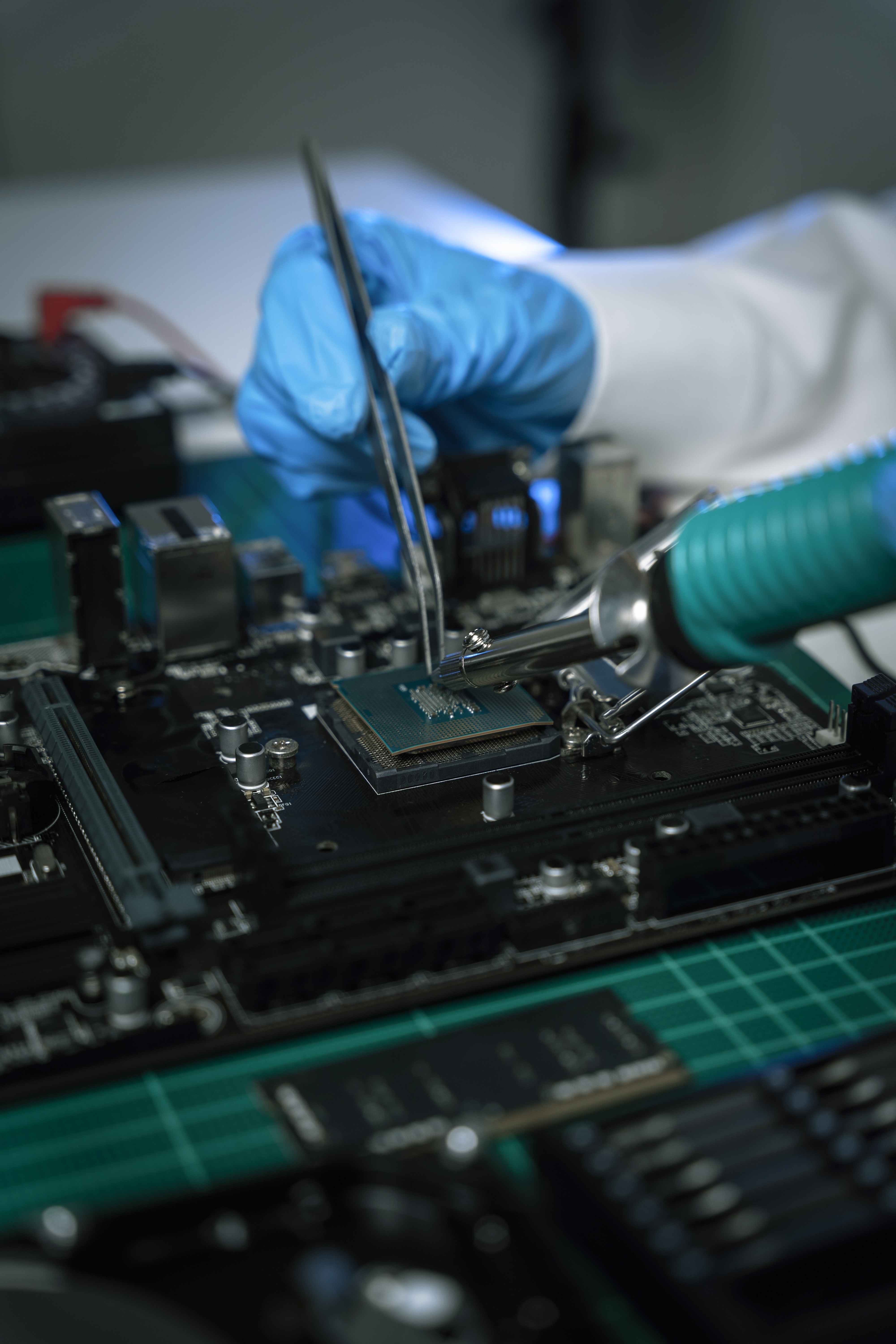
At Haoda, quality is our cornerstone. We implement stringent quality control measures throughout the aluminum die casting process. Our use of cutting-edge equipment, such as CMM and X-ray detection systems, allows us to monitor and ensure the highest quality standards for every batch. This dedication to quality control means that you can trust our products to perform reliably in any application, giving you peace of mind and confidence in your supply chain.
Efficient Aluminum Die Casting with Automated Production Lines

Efficient Aluminum Die Casting with Automated Production Lines

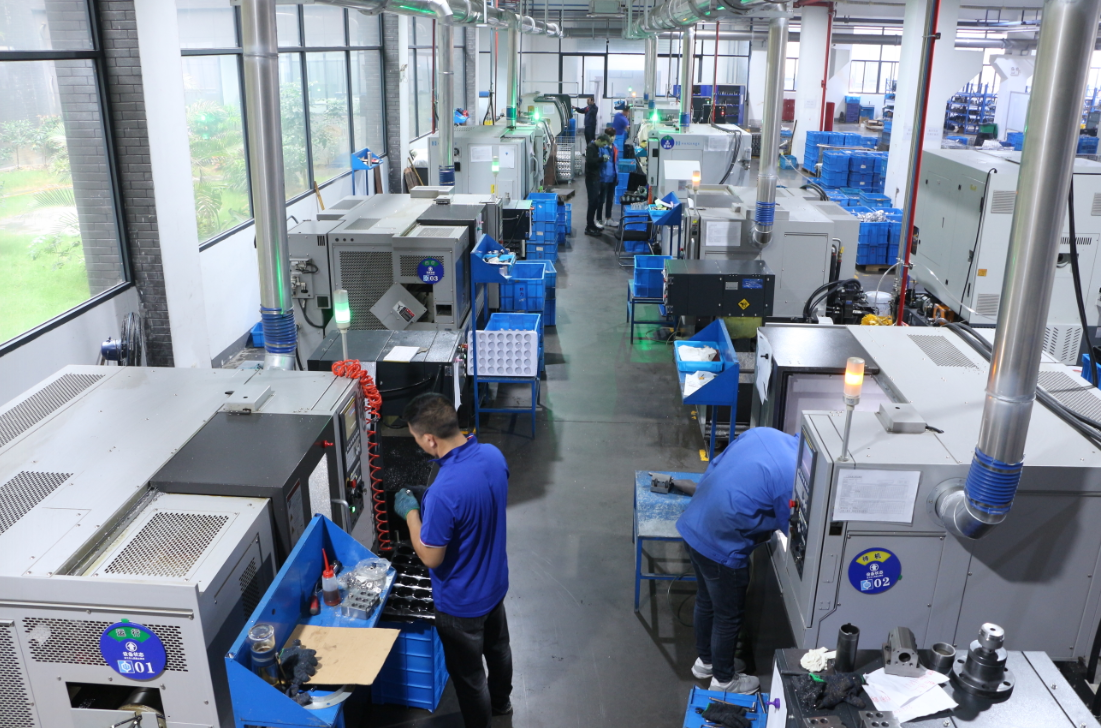
This aluminum die casting service adopts automated production lines to improve the production efficiency of aluminum die casting parts. The automatic melting equipment can accurately control the melting temperature and composition of the aluminum alloy, ensuring the stability of the raw material quality and reducing manual operation errors. The automatic die-casting machines can realize continuous production, with fast injection speed and short cycle time, greatly improving the output of castings. The automated production line also includes automatic feeding, automatic unloading and automatic transfer equipment, which reduces the labor intensity of workers and improves the production efficiency. In addition, the production line is equipped with an intelligent monitoring system, which can monitor the production status in real time, collect production data and analyze the production process, providing a basis for optimizing the production process.