High-Quality Aluminum Die Casting Moulds | Haoda

All Categories
High-Precision Aluminum Die Casting Mould Solutions

High-Precision Aluminum Die Casting Mould Solutions

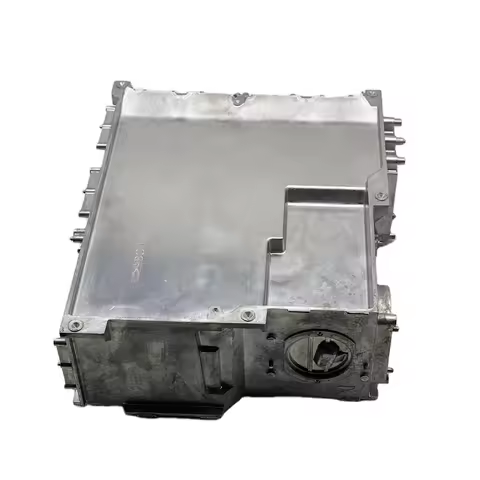
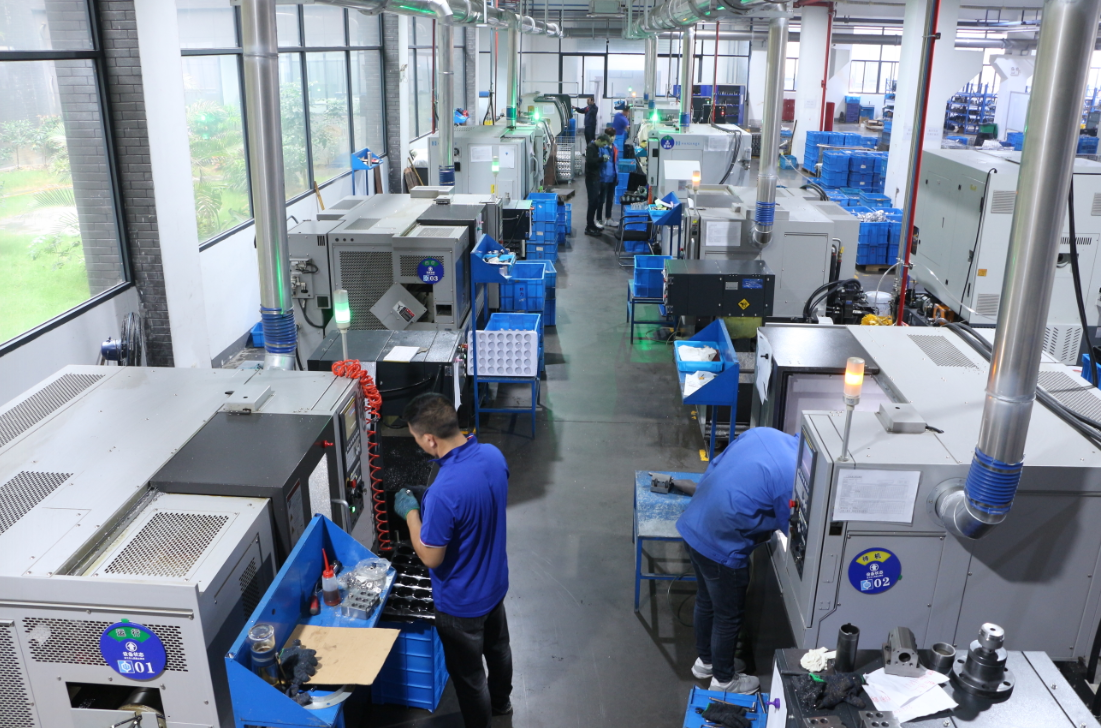
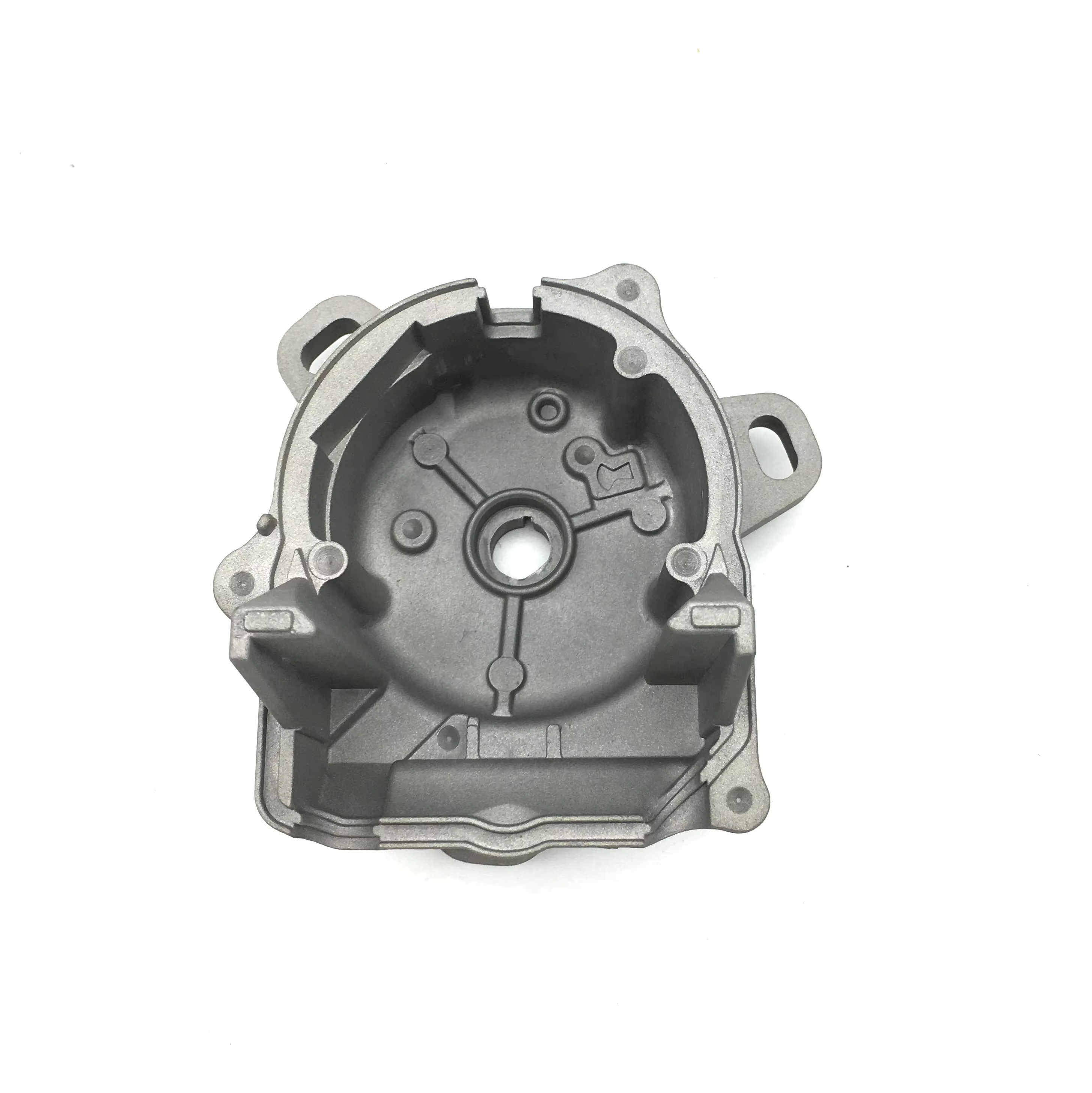
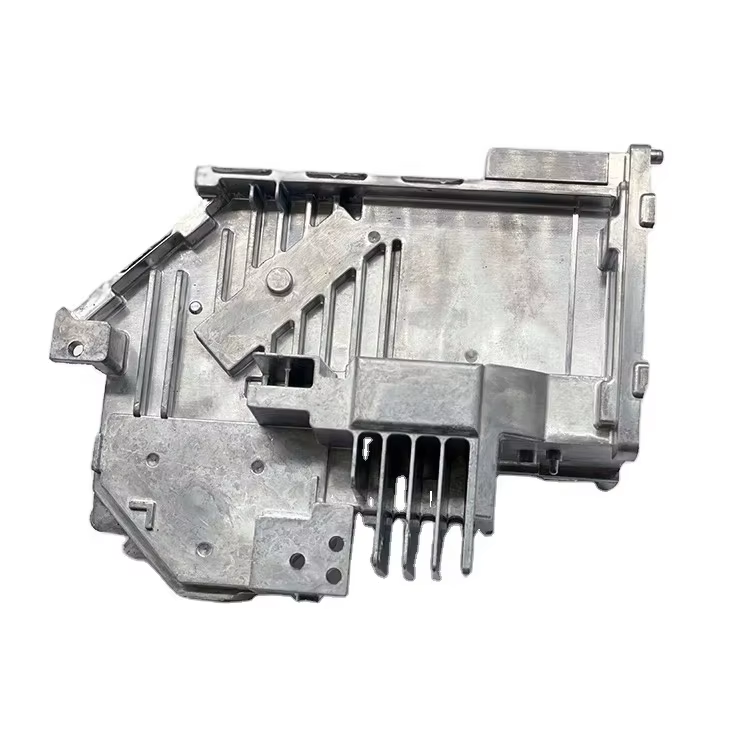
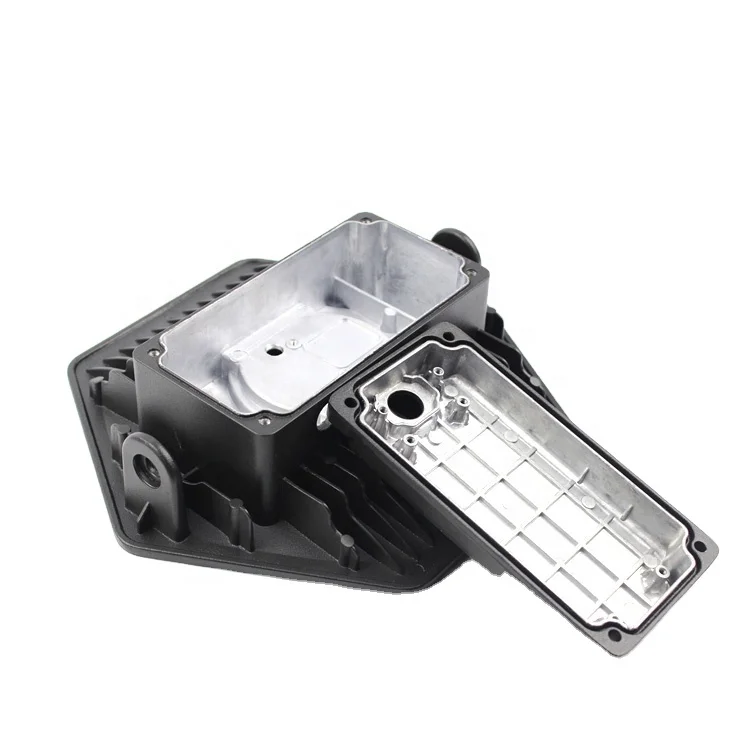
Welcome to Haoda (Ningbo) Import and Export Co., Ltd, your trusted partner for high-quality aluminum die casting moulds. Our company specializes in the customization of aluminum, zinc, and magnesium alloy products, utilizing advanced technology and equipment such as automatic melting and die-casting machines, CNC machines, tapping machines, and CMM systems. With IATF16949 certification, we ensure that our aluminum die casting moulds meet the highest standards of quality, precision, and durability. Our commitment to mutual benefits has earned us a reliable reputation among customers worldwide, thanks to our professional services and competitive pricing. We invite you to explore our offerings and discover how we can help you achieve shared success.
Get A Quote

Advantages of the product

Lightweight Aluminum Die Casting for Energy-Saving Applications

This aluminum die casting service focuses on the production of lightweight aluminum alloy parts, which have the advantages of low density and high specific strength. Aluminum alloy materials can reduce the weight of products while ensuring the structural strength, which is of great significance for energy conservation and emission reduction in the automotive and aerospace industries. For example, lightweight aluminum die casting parts used in automobiles can reduce the overall weight of the vehicle, thereby reducing fuel consumption and carbon emissions. In the production process, advanced die-casting processes are used to ensure the uniformity of the material structure of the aluminum parts, avoiding the problem of uneven density that affects the weight and strength. The lightweight aluminum die casting parts meet the development trend of energy-saving and environmental protection in various industries.

High-Strength Aluminum Die Casting with Optimized Alloys

This aluminum die casting service uses optimized aluminum alloy formulas to improve the strength of the castings. By adjusting the content of alloying elements such as silicon, magnesium and copper in the aluminum alloy, the mechanical properties of the castings, such as tensile strength and yield strength, are significantly enhanced. For example, the ADC12 aluminum alloy commonly used in die casting is optimized to have better wear resistance and impact resistance, making it suitable for manufacturing high-strength structural parts. In the die casting process, reasonable control of the melting temperature, injection speed and pressure ensures that the alloy elements are evenly distributed in the castings, further improving the overall strength of the parts. The high-strength aluminum die casting parts can withstand large loads and harsh working environments, meeting the performance requirements of key components.

Corrosion-Resistant Aluminum Die Casting for Long-Term Use

This aluminum die casting service adopts special treatment processes to improve the corrosion resistance of aluminum die casting parts. One of the main methods is anodizing, which forms a dense oxide film on the surface of the aluminum parts. This oxide film has strong resistance to acid, alkali and salt corrosion, effectively isolating the aluminum substrate from the external corrosive environment. In addition, for parts used in more harsh corrosive environments, a layer of anti-corrosion coating can be applied on the basis of anodizing to further enhance the corrosion resistance. Before the anti-corrosion treatment, the surface of the parts is thoroughly cleaned to remove oil stains, oxides and other impurities, ensuring the adhesion of the oxide film and coating. The corrosion-resistant aluminum die casting parts have a long service life, reducing the maintenance and replacement costs for customers.

Related products

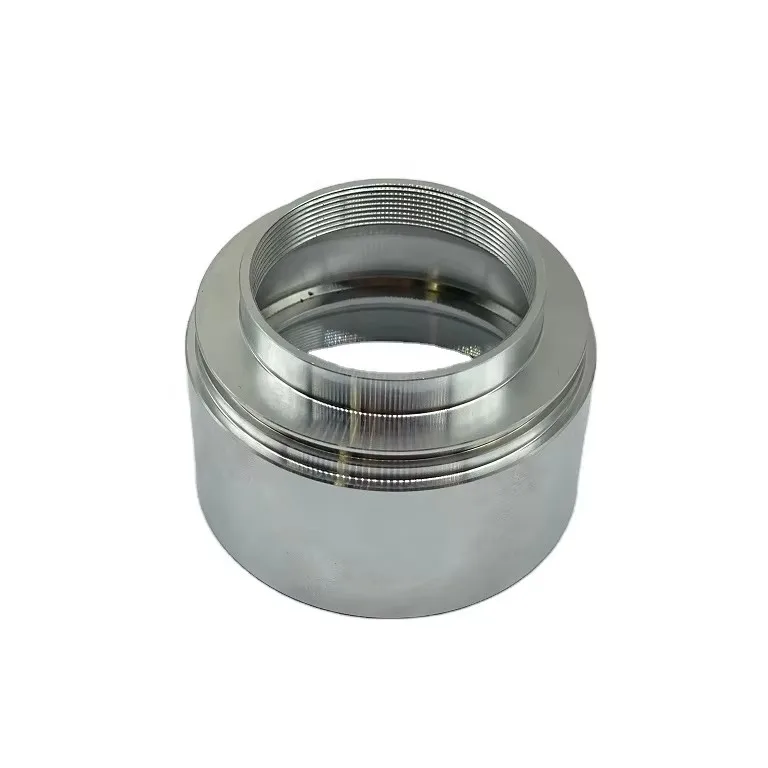
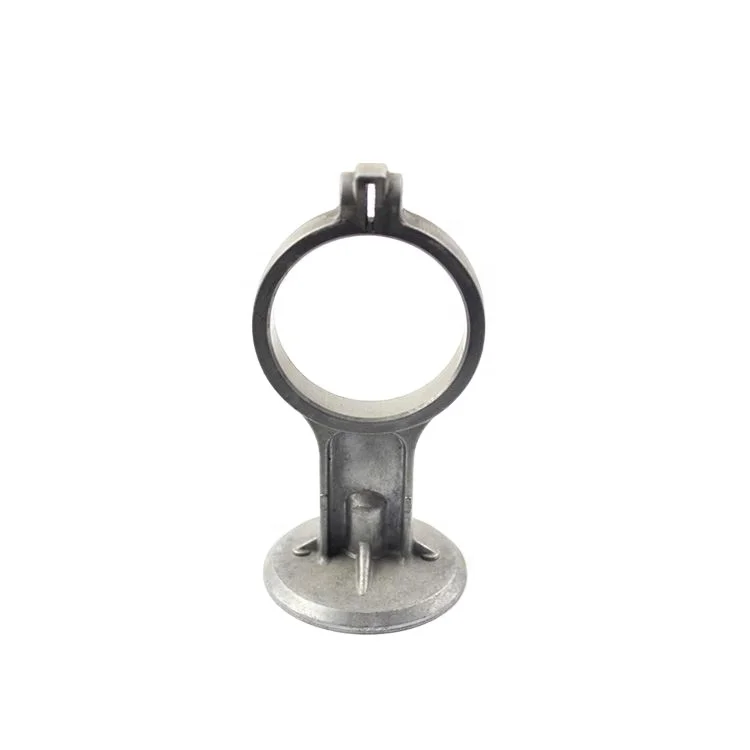
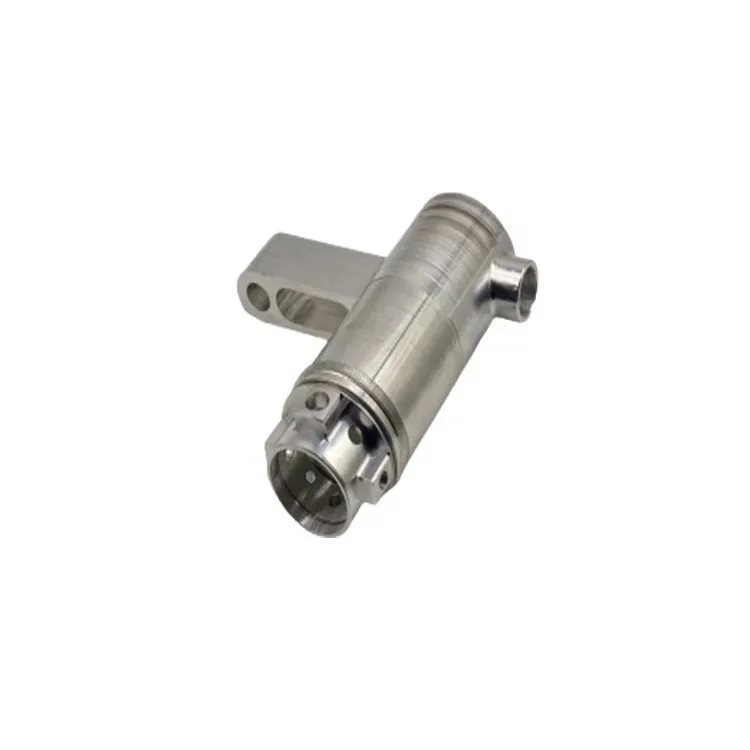
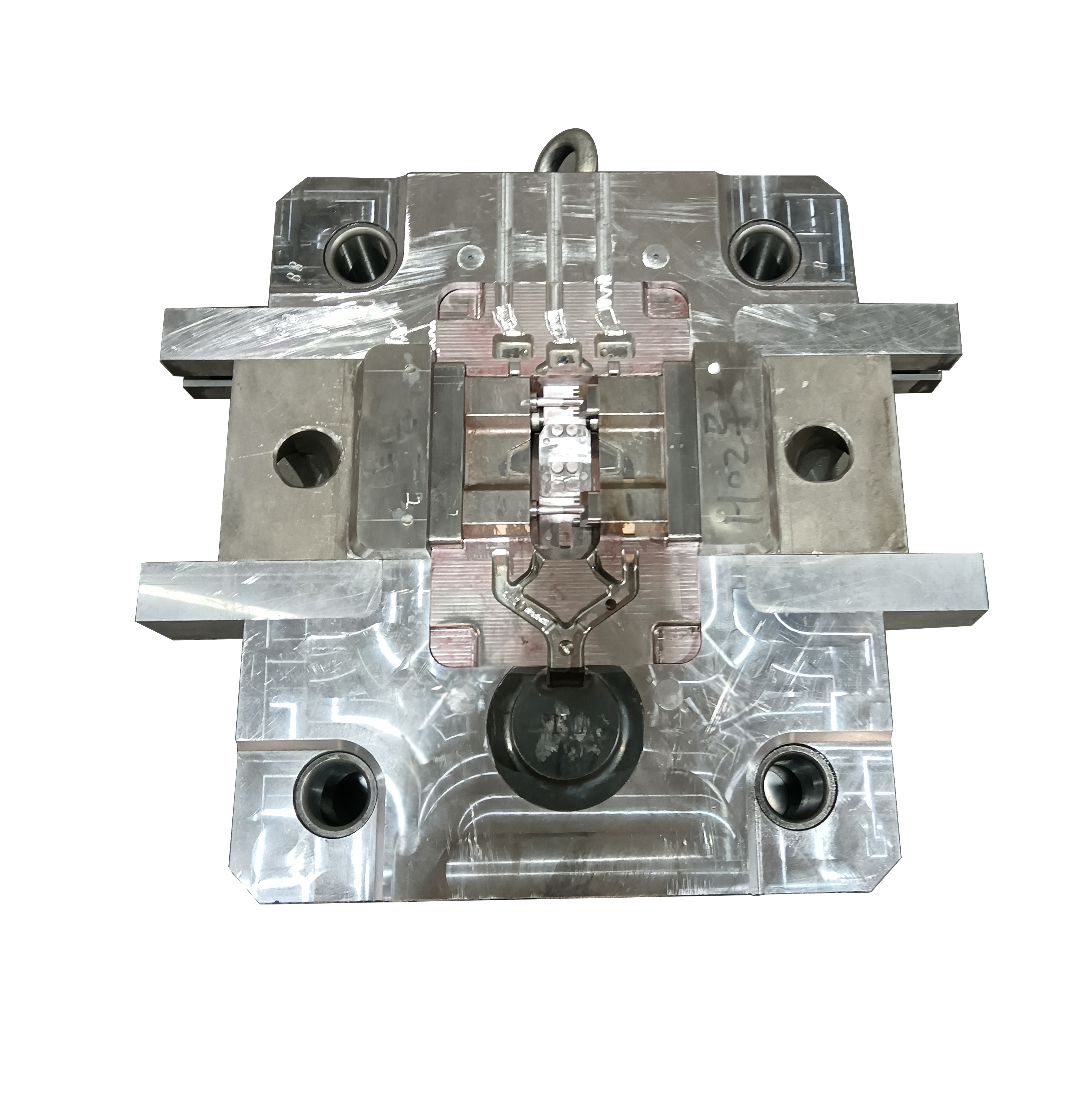
In the realm of precision manufacturing, the aluminum die casting mould stands as a cornerstone component that directly dictates the quality, consistency, and efficiency of aluminum die casting production, serving as the critical interface between raw material and finished product for industries ranging from automotive and electronics to aerospace and consumer goods. Crafted with meticulous attention to detail, an exceptional aluminum die casting mould must withstand extreme temperatures, repeated pressure cycles, and the corrosive nature of molten aluminum while maintaining tight dimensional tolerances and surface integrity to ensure each cast part meets exact specifications. The design and production of an aluminum die casting mould require a deep understanding of material science, thermal dynamics, and machining precision, as factors such as gate placement, cooling channel layout, and cavity geometry directly impact flow dynamics, solidification rates, and the final mechanical properties of the cast component. High-quality aluminum die casting moulds are typically fabricated from premium tool steels or alloy steels, heat-treated to enhance hardness and wear resistance, and finished with precision machining techniques to achieve surface roughness as low as 0.2 microns—critical for reducing friction, preventing material adhesion, and ensuring easy part ejection. What sets superior aluminum die casting moulds apart is their ability to balance durability with design flexibility, accommodating complex part geometries, thin walls, and intricate features that would be impractical or impossible with other manufacturing methods. For manufacturers specializing in custom aluminum alloy products, the aluminum die casting mould is not just a tool but a strategic asset, enabling the production of high-volume, cost-effective parts with consistent quality and minimal waste. The development process of an aluminum die casting mould involves rigorous testing and optimization, including computer-aided design (CAD) simulations to predict material flow and cooling patterns, as well as prototype testing to refine mould performance before full-scale production. This iterative approach ensures that the aluminum die casting mould can handle the unique properties of aluminum alloys, such as their high thermal conductivity and fluidity, while minimizing defects like porosity, shrinkage, and warpage. With the support of advanced equipment like coordinate measuring machines (CMMs) and X-ray real-time imaging detection systems, manufacturers can verify the dimensional accuracy and structural integrity of aluminum die casting moulds, ensuring they meet the stringent standards required for industries like automotive, where safety and reliability are paramount. Adhering to international certifications such as IATF 16949 further underscores the commitment to quality in aluminum die casting mould production, providing customers with confidence that each mould is engineered to deliver consistent, high-performance results. Whether for standard components or custom-designed parts, the aluminum die casting mould remains an indispensable tool in modern manufacturing, driving efficiency, innovation, and cost-effectiveness for businesses worldwide.
Common problem

What are the advantages of Haoda’s aluminum die casting process?

Haoda’s aluminum die casting process offers four key advantages for customers: 1) High Efficiency: It uses automatic melting and die casting machines (180T-800T) that can produce 500-1000 aluminum die casting parts per hour, ideal for large-volume orders. 2) Superior Precision: Parts achieve dimensional tolerance ±0.02mm and surface roughness Ra 1.6-3.2μm, thanks to CMM testing and X-ray defect detection. 3) Cost-Effectiveness: Aluminum’s low density (reducing material costs) and the die casting process’s minimal material waste (scrap rate <5%) lower overall production costs compared to machining from solid aluminum blocks. 4) Material Benefits: Aluminum die casting parts have excellent thermal conductivity (120-150 W/(m·K)) and corrosion resistance (enhanced via post-processing like anodizing), suitable for heat dissipation or outdoor applications (e.g., automotive radiators, outdoor smart devices). These advantages make Haoda’s aluminum die casting a top choice for cost-sensitive, hi
Haoda provides a variety of surface treatments for aluminum die casting parts to enhance their performance and appearance. Key treatments include: 1) Anodizing: Creates a protective oxide layer (thickness 5-20μm) that improves corrosion resistance and allows for color customization (clear, black, silver, or custom Pantone colors). 2) Powder Coating: Applies a durable, scratch-resistant powder layer (available in matte, gloss, or textured finishes) via an automatic line, suitable for outdoor or high-wear parts (e.g., automotive brackets). 3) Electroplating: Offers chrome, nickel, or zinc plating to enhance conductivity or aesthetic appeal, ideal for parts like smart home control panels. 4) Polishing: Achieves mirror-like surfaces (Ra 0.2-0.8μm) for decorative parts, using mechanical polishing machines. 5) Chemical Conversion Coating: Forms a thin, adhesive layer (e.g., chromate conversion) to improve paint adhesion for subsequent coating processes. These treatments are tailored to custo

Related article

Specializing in custom production of aluminum, zinc, and magnesium alloy products, this company is leading the new trends in industry development

10

Sep

Specializing in custom production of aluminum, zinc, and magnesium alloy products, this company is leading the new trends in industry development

View More
The Impact of Advanced Die-Casting Techniques on Product Quality

10

Sep

The Impact of Advanced Die-Casting Techniques on Product Quality

Explore how advanced die-casting techniques improve product quality and meet the demands of international customers.
View More
Custom Mold Manufacturing: Meeting Unique Industry Demands

10

Sep

Custom Mold Manufacturing: Meeting Unique Industry Demands

Discover how custom mold manufacturing delivers precision, efficiency, and innovation across automotive, medical, and electronics industries. Reduce waste, improve quality, and adapt quickly to market demands. Learn more today.
View More

Customer Reviews

Alexander

The weight-to-strength ratio of their aluminum die casting is perfect for our drone components. Strong yet light, exactly what we need.

William

IATF16949 certification was a key factor for us. Knowing their aluminum die casting process meets automotive standards gives us full confidence.

Get a Free Quote

Our representative will contact you soon.
Email
Mobile/WhatsApp
Name
Company Name
Message
0/1000
Advanced Technology for Superior Mould Production

Advanced Technology for Superior Mould Production

At Haoda, we leverage cutting-edge technology in our manufacturing processes, including automatic melting and die-casting machines. This investment in technology allows us to produce aluminum die casting moulds with unmatched precision and efficiency. Our CNC machining capabilities further enable us to create complex designs that meet specific customer requirements, ensuring that our moulds perform exceptionally well in various applications. By choosing our products, you benefit from the latest advancements in the industry, leading to improved production outcomes and reduced costs.
Expertise in Customization for Diverse Applications

Expertise in Customization for Diverse Applications

Our team of experienced engineers specializes in customizing aluminum die casting moulds to cater to a wide range of industries, including automotive, electronics, and consumer goods. We understand that each project has unique demands, and we work diligently to develop solutions that align with your specific needs. This focus on customization not only enhances the value of our products but also ensures that you receive moulds that are tailored for optimal performance in your production processes.